
Workplace wellbeing programs that help people genuinely flourish.
Wellbeing at work is no longer an annual event — it's a strategic investment in people, culture and performance.Wellbeing at work is no longer an annual event. It's a strategic investment in people, culture and performance. Flourish360 is an Australian workplace psychosocial risk and wellbeing platform that helps the most successful workplace wellbeing programs in Australia turn good intentions into everyday support.

You're in good company










Why now
Wellbeing programmes in the workplace have moved from nice-to-have to genuinely strategic.
Rising mental health challenges, higher employee expectations and stronger psychosocial hazard obligations have changed how Australian organisations think about wellbeing at work. The organisations seeing the greatest success aren't running more activities — they're creating connected experiences that help people grow, lead better and feel more supported every day.
working-age Australians live with a mental health condition at any time
the annual cost of poor mental health to Australian workplaces
average return for every dollar invested in effective workplace wellbeing
Sources: Black Dog Institute workplace mental health research; Safe Work Australia.

The definition
What are workplace wellbeing programs?
A structured, ongoing approach to improving the mental, emotional, physical and social wellbeing of employees — while creating a healthier, more productive workplace.
Instead of a single event or campaign, a program brings education, leadership, culture, wellbeing initiatives and continuous support together into one connected strategy. Flourish360 partners with wellbeing programs to turn that strategy into something people feel every day.
Wellbeing isn't delivered once a year. It's intentionally developed over time.

The difference that matters

Workplace wellbeing initiatives vs workplace wellbeing programs
An initiative is a single activity — a resilience workshop, a mindfulness session, a walking challenge, a Mental Health Month event. These create awareness and open conversations, and they matter. But one initiative alone rarely changes behaviour.
Consistent, not isolated
People receive continuous support instead of scattered experiences.
Learning that continues
Development becomes ongoing rather than occasional.
Embedded in culture
Wellbeing becomes how the organisation works — not another HR activity.
The blueprint
What a workplace wellbeing plan should include
A good plan isn't a calendar full of activities. It identifies your organisation's real priorities and sets a roadmap for continuous improvement — in five parts.
01
Understand your people
Start with employee needs, organisational challenges and existing psychosocial risks — through surveys, leadership consultation, wellbeing assessments and workplace data.
02
Define your wellbeing strategy
Name the outcomes you want: stronger psychological safety, better leadership capability, less burnout, higher engagement, steadier support through change.
03
Develop programs that build capability
Go past awareness. Teach practical skills people use every day — resilience, communication, emotional intelligence, stress management and leadership.
04
Reinforce learning
This is where most plans fall short. People don't change from one workshop; they change through consistent practice, reflection and ongoing development.
05
Measure and improve
Evaluate regularly so you can see what's working, where people need more support, and how the program should evolve alongside the organisation.
Interventions that last
From managing problems to developing people
The most effective workplace wellbeing interventions don't wait until someone is struggling. They create environments where people are more likely to thrive in the first place — leadership capability, psychologically safe teams, better communication, manager coaching, resilience and mental health literacy.
Leading organisations have changed the question. Not “how do we support people when they're unwell?” but “how do we help people become healthier, more resilient and more capable every day?”

A worked example
What a connected health and wellbeing program looks like
Picture an organisation of 400 people. Instead of scheduling separate events across the year, each stage builds on the one before it — so the result is continuous growth rather than short-term awareness.
Foundations
Leaders complete psychological safety and leadership development. Employees join resilience workshops. A psychosocial hazard assessment sets the priorities.
Capability
Teams build communication and emotional intelligence. Managers receive coaching. Wellbeing initiatives focus on healthy habits and team connection.
Reinforcement
People keep applying what they learned through coaching, reflection and personal development. Leaders spot emerging risks before they become issues.
Measure and refine
Engagement, wellbeing outcomes and employee feedback are measured, then the plan for next year is refined.
The honest challenge
Learning often stops when the workshop ends
Most organisations already invest in wellbeing — guest speakers, wellbeing days, workshops, support services. All of it has value. But people return to work, daily priorities take over, and the ideas gradually fade.
That isn't a failure of the workshop. Lasting behaviour change simply requires consistency. Just as physical fitness can't come from one visit to the gym, wellbeing can't be built in one session a year. For workplace wellbeing programs to create real, lasting impact, learning has to become part of everyday life.
Illustrative. Skills fade without practice; reinforced learning compounds.
Where Flourish360 comes in
The daily layer that keeps people growing — and your wellbeing program alive
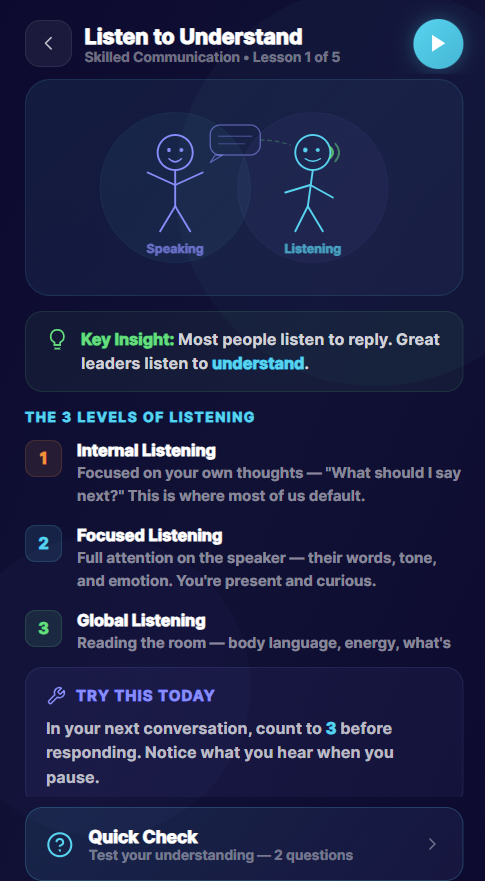
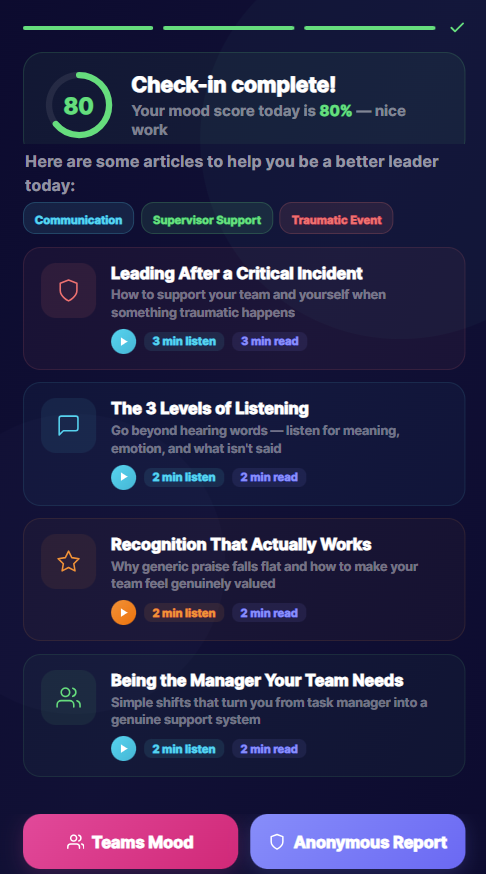
Flourish360 is an Australian workplace psychosocial risk and wellbeing platform helping employers improve employee mental health, psychosocial safety, engagement and performance through evidence-based programs and measurable insights. We partner with wellbeing programs so organisations receive a holistic approach to workplace health and wellbeing — not by replacing your sessions, but by extending what they start into everyday working life, so people keep growing between workshops. That daily engagement also helps prevent psychosocial hazards in the workplace before they escalate.
Everyday support
A Daily Check-In and Micro-Lessons keep new skills in practice.
Private by design
Team Mood insights are anonymous and aggregated — never traced to a person.
Measurable insight
Leaders see what's improving and where people need more support.
Questions we're asked
Workplace wellbeing programs — FAQ
What are workplace wellbeing programs?
+
A workplace wellbeing program is a structured, ongoing approach to improving the mental, emotional, physical and social wellbeing of employees while creating a healthier, more productive workplace. Rather than one event, it connects education, leadership, culture, wellbeing initiatives and continuous support into one strategy.
What is the difference between wellbeing initiatives and a wellbeing program?
+
A workplace wellbeing initiative is a single activity — a resilience workshop, a mindfulness session, a walking challenge. A workplace wellbeing program connects those initiatives into a long-term strategy with clear objectives, ongoing learning and measurable outcomes. Initiatives are the building blocks; the program is the blueprint.
What should a workplace wellbeing plan include?
+
Five things: understanding your people, defining your wellbeing strategy, developing programs that build real capability, reinforcing learning between sessions, and measuring so the program keeps improving.
Why do wellbeing programmes in the workplace matter more in Australia now?
+
Stronger psychosocial hazard obligations have reinforced that psychological health deserves the same attention as physical safety, and employees increasingly expect employers to invest in workplaces where they can learn, grow and do meaningful work.
Where does Flourish360 come in?
+
Flourish360 is an Australian workplace psychosocial risk and wellbeing platform. We partner with wellbeing programs so organisations receive a holistic approach to workplace health and wellbeing — extending the work of workshops, coaching and initiatives into everyday support with measurable insight.
Ready to build a Flourish360 workplace wellbeing program your people actually feel?
We'll walk through your current wellbeing plan, where the gaps are, and how Flourish360 turns good intentions into everyday support and lasting change.