Flourish360, formerly Acumind AI
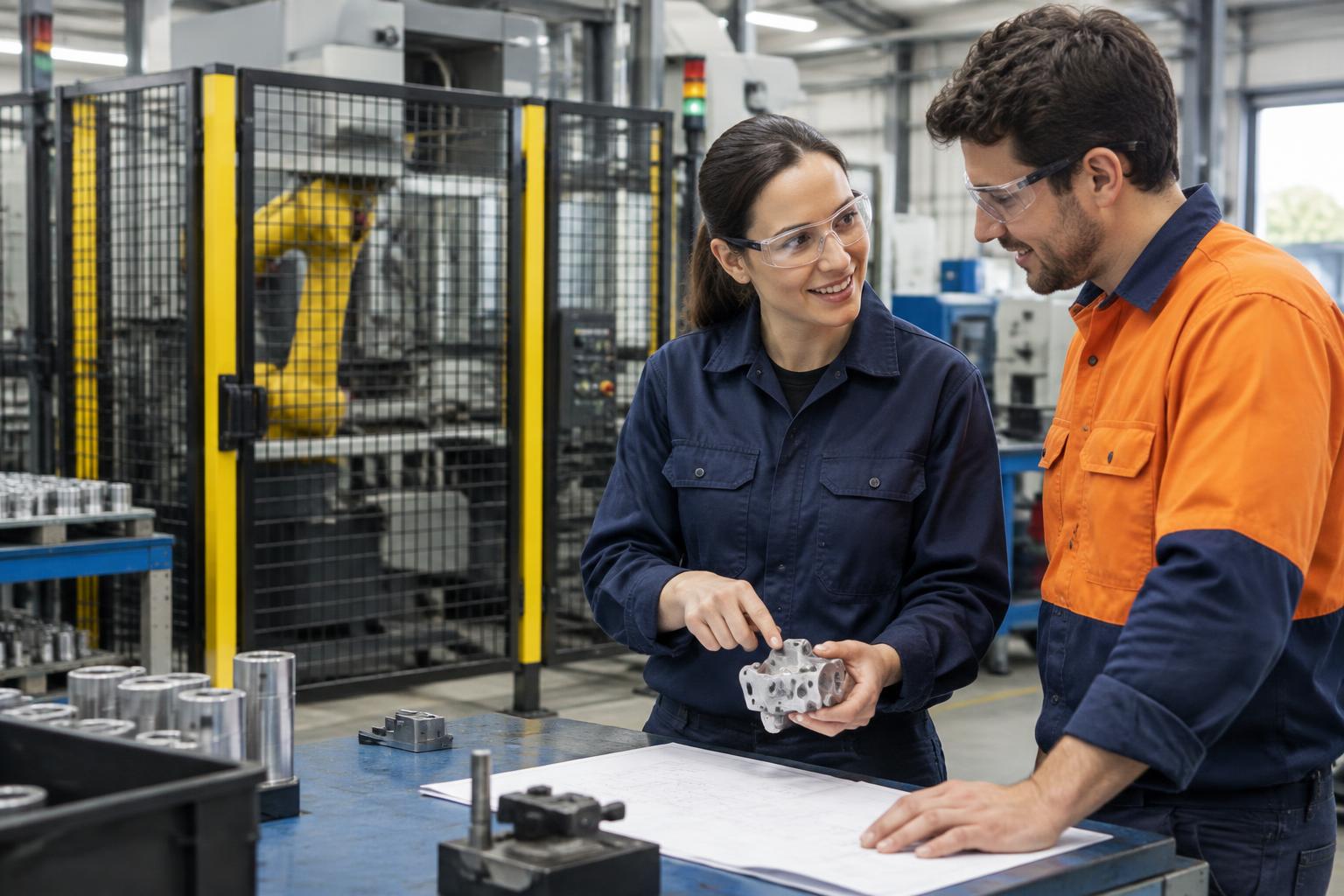
Manufacturing colleagues consulting at a production workstation

Psychosocial risk management

Manufacturing

A healthier culture on every production line.

Production targets, shift patterns, repetitive tasks and noisy environments can combine to create psychosocial risk. Give manufacturing teams clarity, a voice and practical support across every shift.

The risk is real

12%

Mental health conditions accounted for 12% of all serious workers’ compensation claims in Australia in 2023–24 preliminary data, according to Safe Work Australia’s 2025 release.

National, all-industry context—not a manufacturing prevalence or claims estimate.

Read the source

Recognise. Consult. Act.

Psychosocial hazards in manufacturing

Work design, workplace interactions and working conditions can cause psychological or physical harm. Assess how often exposure occurs, how long it lasts and how severe it is.

Low control and repetitive work

Risk exposure

Fixed line speeds and monotonous tasks can limit autonomy and create underload or overload.

Practical controls

Involve workers in line design, provide safe task variety and job rotation, and create a genuine way to raise pacing concerns.

Shift work and fatigue

Risk exposure

Unpredictable overtime or frequent changes between day and night shifts can impair recovery.

Practical controls

Consult on predictable rosters, protect rest periods and monitor cumulative hours—not just individual shifts.

Poor environment and harmful behaviour

Risk exposure

Noise, heat and rushed communication can make work harder and allow conflict to escalate.

Practical controls

Improve environmental conditions, make instructions accessible and address disrespect promptly and consistently.

Manufacturing colleagues consulting at a production workstation

An illustrative workplace situation

Behind every risk is a person.

a worker repeatedly misses breaks to maintain line speed and is criticised for slowing down. Review staffing and production expectations before assigning more training.

Improve the conditions around people—not just their ability to cope.

The cost of leaving risks unchecked

More than a wellbeing issue.

>4×

Longer time away from work

Mental health claims had more than four times the median time lost compared with physical injury and illness claims.

Source and scope

>3×

Higher compensation paid

Median compensation for mental health claims was more than three times that for physical injury and illness claims.

Source and scope

Real duties.

Non-compliance can trigger enforcement

WHS regulators can issue improvement or prohibition notices and prosecute breaches. Penalties and powers vary by jurisdiction.

Source and scope

Claim comparisons use Australian serious workers’ compensation claims in 2020–21, reported by Safe Work Australia in February 2024. National figures—not manufacturing estimates or predictions of individual harm. Enforcement depends on the applicable law and circumstances.

Your duty is to prevent harm.

Australian employers must manage risks to psychological as well as physical health under applicable WHS or OHS laws.

  • Consult workers and their representatives.
  • Identify hazards and assess the risk.
  • Implement effective controls and review the results.

Look at differences between shifts, labour-hire teams and supervisors so site averages do not hide exposure.

A course or an employee assistance program does not, by itself, discharge this duty. Check your regulator and seek advice for your circumstances.

A practical starting point

From worker voice to visible action

  1. Listen safely

    Consult workers and HSRs across roles and shifts. Combine their experiences with incident, workload and absence information.

  2. Prioritise the exposure

    Assess severity, duration and frequency. Record interacting hazards and who may be affected.

  3. Improve the work

    Start with work design, staffing, environment and behaviour. Assign an owner and review date.

  4. Check the change

    Ask workers whether exposure has reduced. Update the risk register when conditions change.

Colleagues listening to a worker during a work planning conversation

Flourish360 for manufacturing

Better humans. Safer workplaces.

Connect personal growth and wellbeing with psychosocial risk insight. Help people build confidence while making hazards, controls and follow-through easier for leaders to see.

We partner with wellbeing programs for a holistic approach. Flourish360 supports your process—it does not replace consultation, effective controls or professional advice.

See what fits your workplace

Sources and scope

Prepared by Flourish360 using Australian regulatory and sector guidance. Examples are illustrative, not customer case studies. Statistics describe the stated population and period; they do not predict individual risk. This is general information, not legal or clinical advice. Workplace photographs are AI-generated illustrations.

Explore all 10 industries