Flourish360, formerly Acumind AI
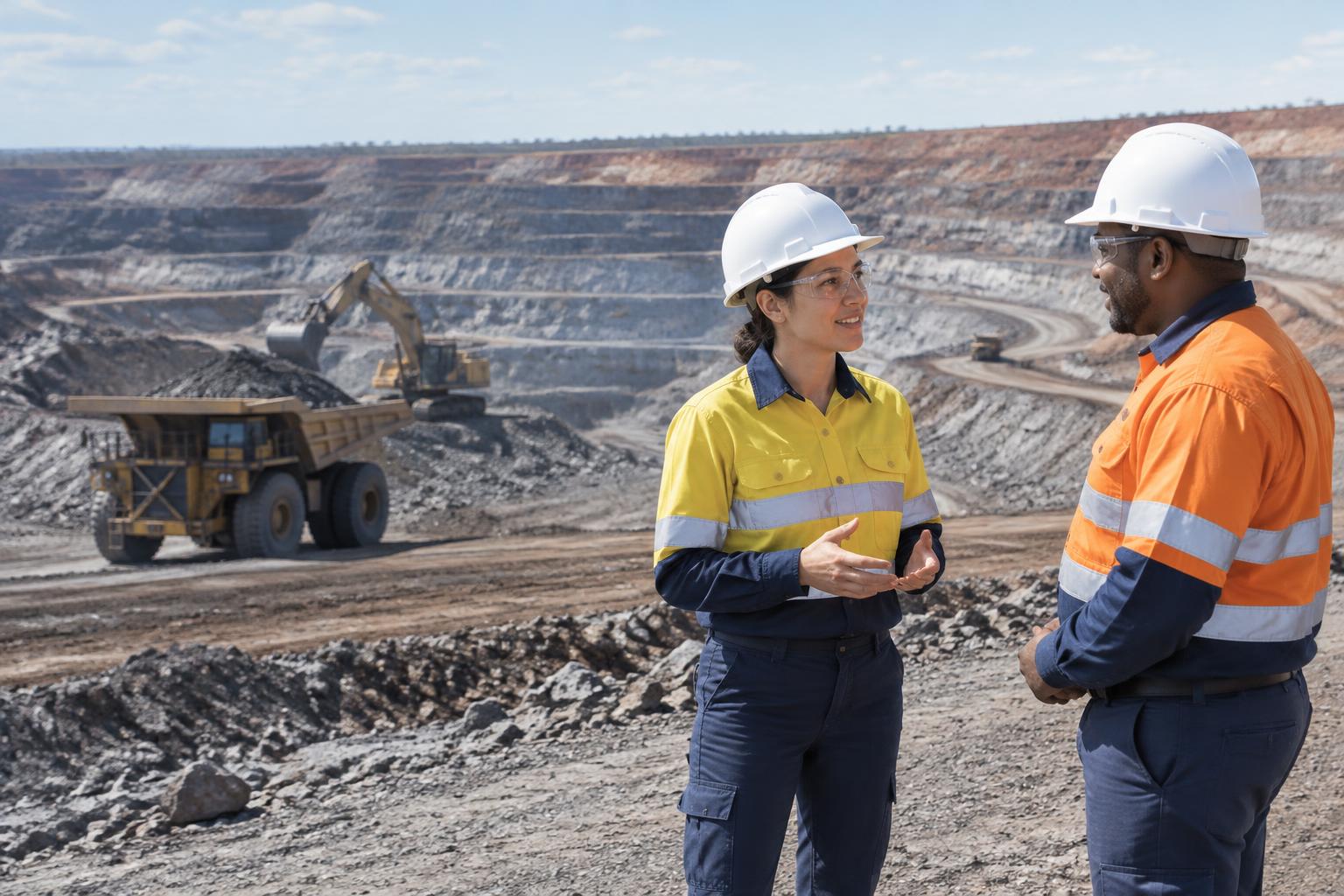
Mining workers speaking at an open-cut mine

Psychosocial risk management

Mining

Protect the people behind every shift.

FIFO rosters, production pressure and life away from home can compound psychosocial risk. Support mining teams by improving the conditions they work in—not just asking them to be more resilient.

The risk is real

1 in 4

Among women responding to AusIMM’s 2024 Diversity and Inclusion Survey, one in four reported sexual harassment in the past two years.

Survey respondents—not a representative estimate for all mining workers.

Read the source

Recognise. Consult. Act.

Psychosocial hazards in mining

Work design, workplace interactions and working conditions can cause psychological or physical harm. Assess how often exposure occurs, how long it lasts and how severe it is.

Isolation and camp life

Risk exposure

Long swings, distance from family and limited privacy can reduce recovery and make support harder to access.

Practical controls

Review roster length and recovery time with workers. Provide reliable family contact, safe accommodation and clear escalation pathways.

Bullying and sexual harassment

Risk exposure

A hierarchy-heavy site culture or fear of losing work can make harmful behaviour harder to report.

Practical controls

Provide independent reporting, protect people against retaliation, investigate fairly and address patterns across crews and camps.

Production pressure and fatigue

Risk exposure

Long shifts, shutdowns and conflicting safety and production priorities can create excessive demands.

Practical controls

Resource shutdowns realistically, monitor overtime and fatigue, and give workers authority to pause unsafe work.

Mining workers speaking at an open-cut mine

An illustrative workplace situation

Behind every risk is a person.

a FIFO worker stops speaking up after a supervisor repeatedly dismisses concerns. Assess support, behaviour and reporting safety together; an extra wellbeing module alone will not remove the exposure.

Improve the conditions around people—not just their ability to cope.

The cost of leaving risks unchecked

More than a wellbeing issue.

>4×

Longer time away from work

Mental health claims had more than four times the median time lost compared with physical injury and illness claims.

Source and scope

>3×

Higher compensation paid

Median compensation for mental health claims was more than three times that for physical injury and illness claims.

Source and scope

Real duties.

Non-compliance can trigger enforcement

WHS regulators can issue improvement or prohibition notices and prosecute breaches. Penalties and powers vary by jurisdiction.

Source and scope

Claim comparisons use Australian serious workers’ compensation claims in 2020–21, reported by Safe Work Australia in February 2024. National figures—not mining estimates or predictions of individual harm. Enforcement depends on the applicable law and circumstances.

Your duty is to prevent harm.

Australian employers must manage risks to psychological as well as physical health under applicable WHS or OHS laws.

  • Consult workers and their representatives.
  • Identify hazards and assess the risk.
  • Implement effective controls and review the results.

Include camp conditions, roster patterns and contractor experiences in consultation—not only the mine floor.

A course or an employee assistance program does not, by itself, discharge this duty. Check your regulator and seek advice for your circumstances.

A practical starting point

From worker voice to visible action

  1. Listen safely

    Consult workers and HSRs across roles and shifts. Combine their experiences with incident, workload and absence information.

  2. Prioritise the exposure

    Assess severity, duration and frequency. Record interacting hazards and who may be affected.

  3. Improve the work

    Start with work design, staffing, environment and behaviour. Assign an owner and review date.

  4. Check the change

    Ask workers whether exposure has reduced. Update the risk register when conditions change.

Colleagues listening to a worker during a work planning conversation

Flourish360 for mining

Better humans. Safer workplaces.

Connect personal growth and wellbeing with psychosocial risk insight. Help people build confidence while making hazards, controls and follow-through easier for leaders to see.

We partner with wellbeing programs for a holistic approach. Flourish360 supports your process—it does not replace consultation, effective controls or professional advice.

See what fits your workplace

Sources and scope

Prepared by Flourish360 using Australian regulatory and sector guidance. Examples are illustrative, not customer case studies. Statistics describe the stated population and period; they do not predict individual risk. This is general information, not legal or clinical advice. Workplace photographs are AI-generated illustrations.

Explore all 10 industries